QUANTIFY
Finans Web Uygulaması
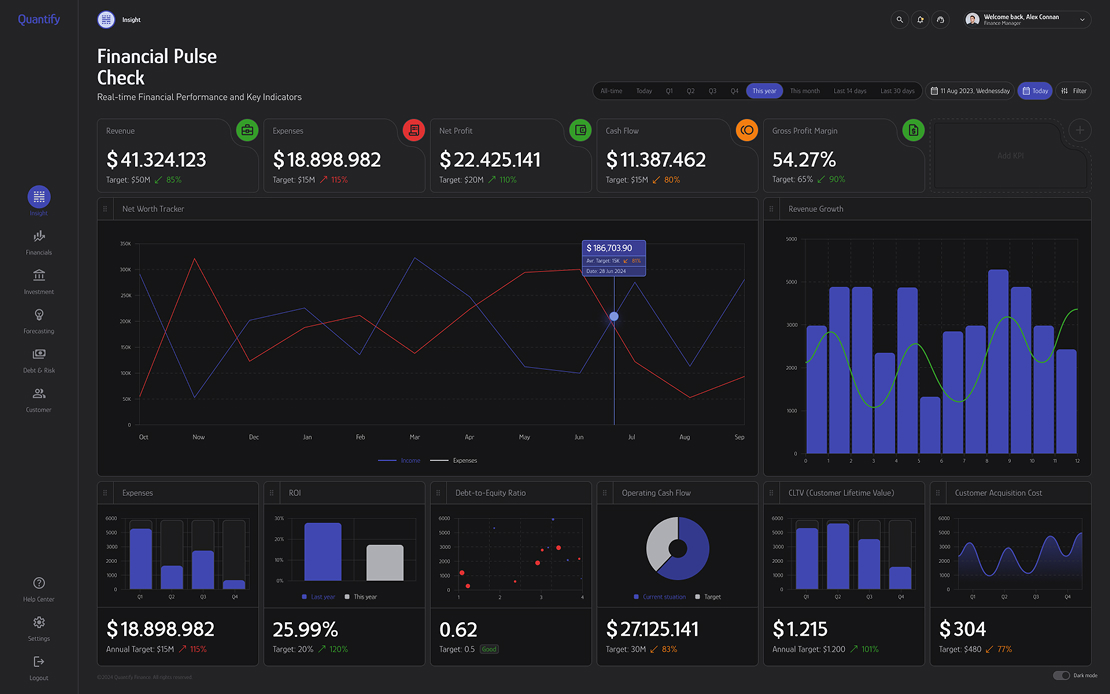
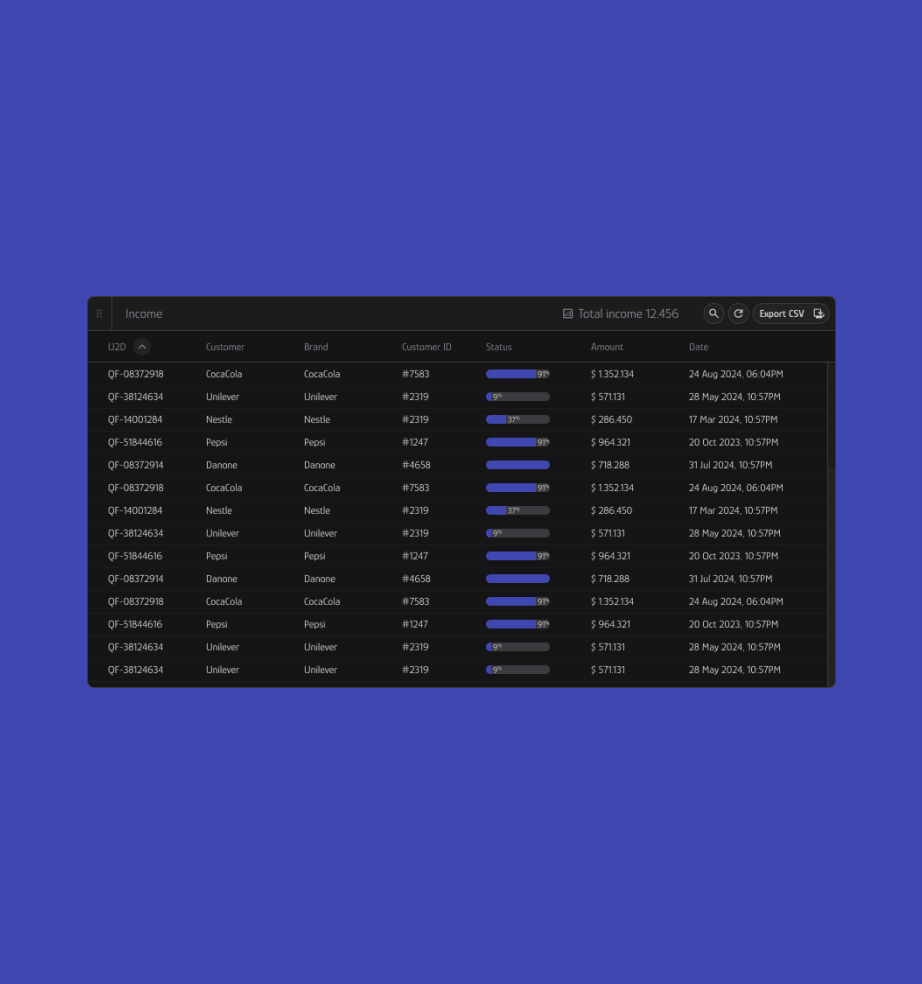
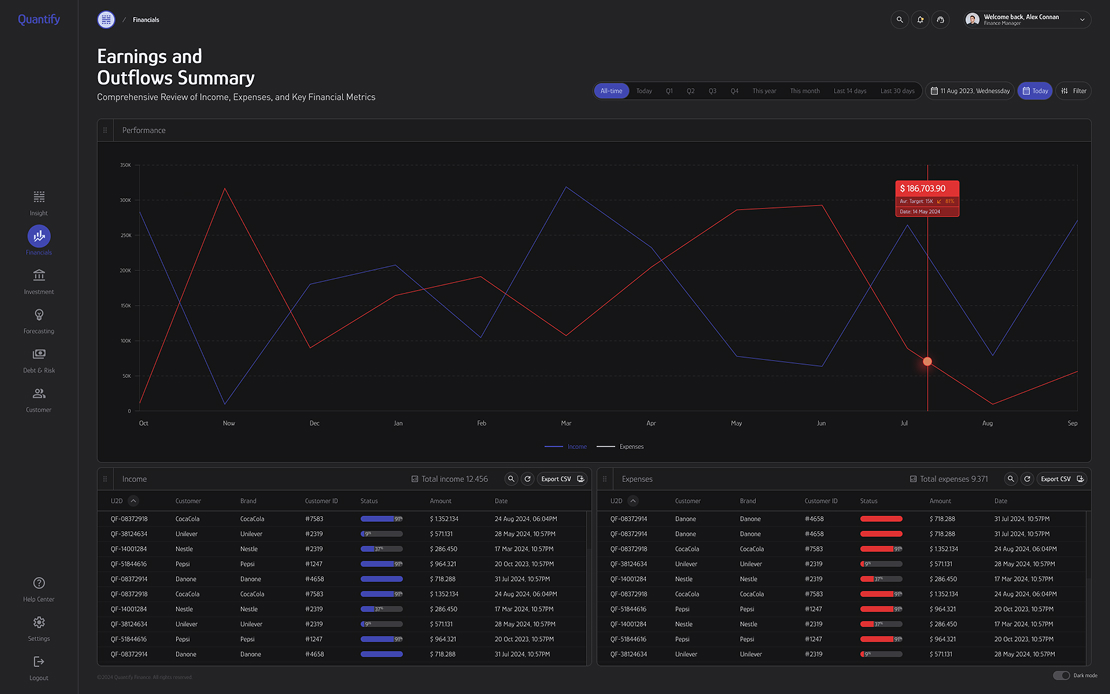
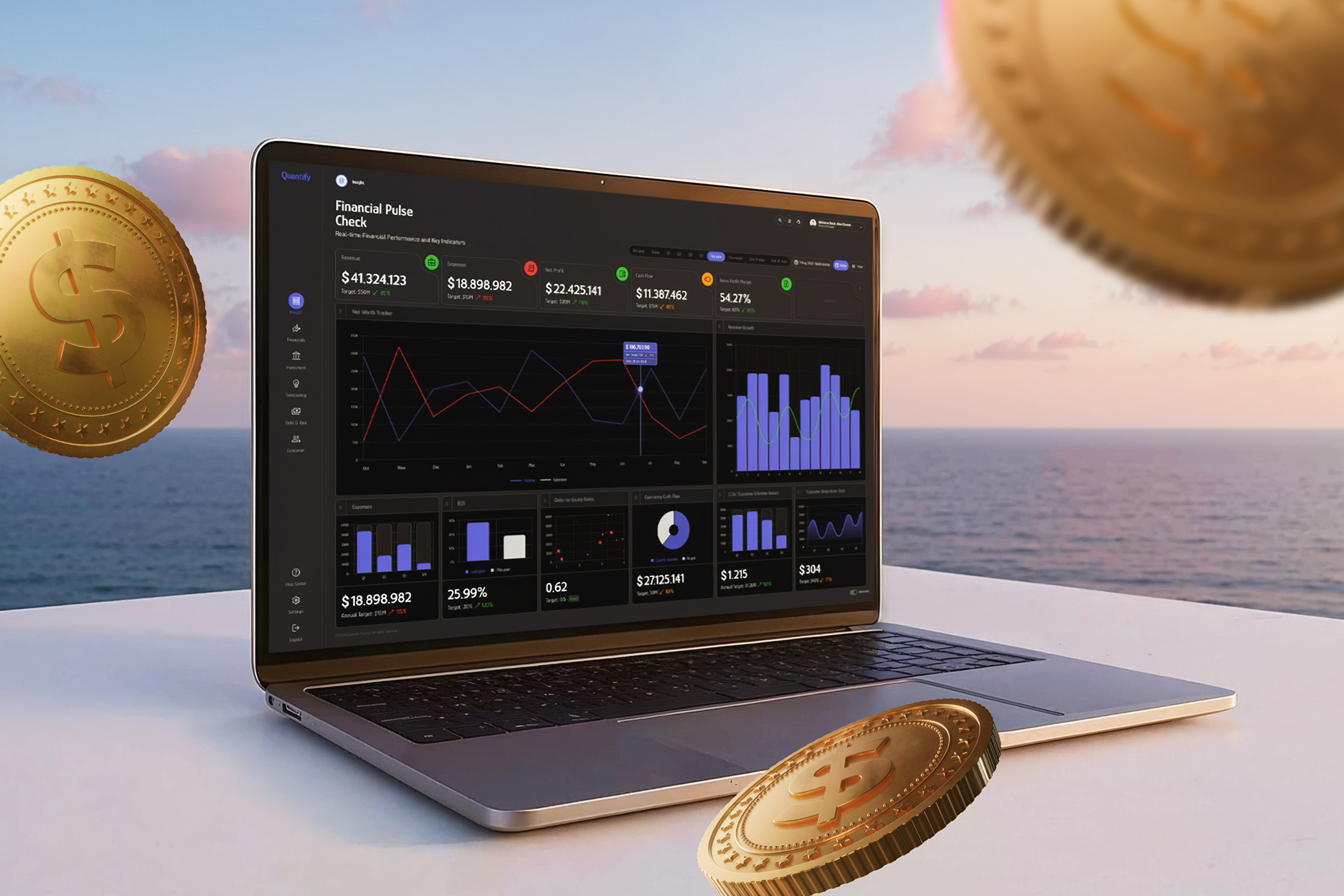
Quantify, fintech ekiplerinin finansal verileri gerçek zamanlı olarak takip etmesini, analiz etmesini ve yorumlamasını sağlayan bir performans dashboard’udur. Yüksek hacimli işlem verilerini net görsel içgörülere dönüştürerek daha hızlı ve güvenli karar alma süreçlerini destekler.
UX/UI Araştırma ve Tasarım
Finans/Veri Web App
MVP Ürün
FIGMA
React
SASS
JQuery
HTML5
Talep
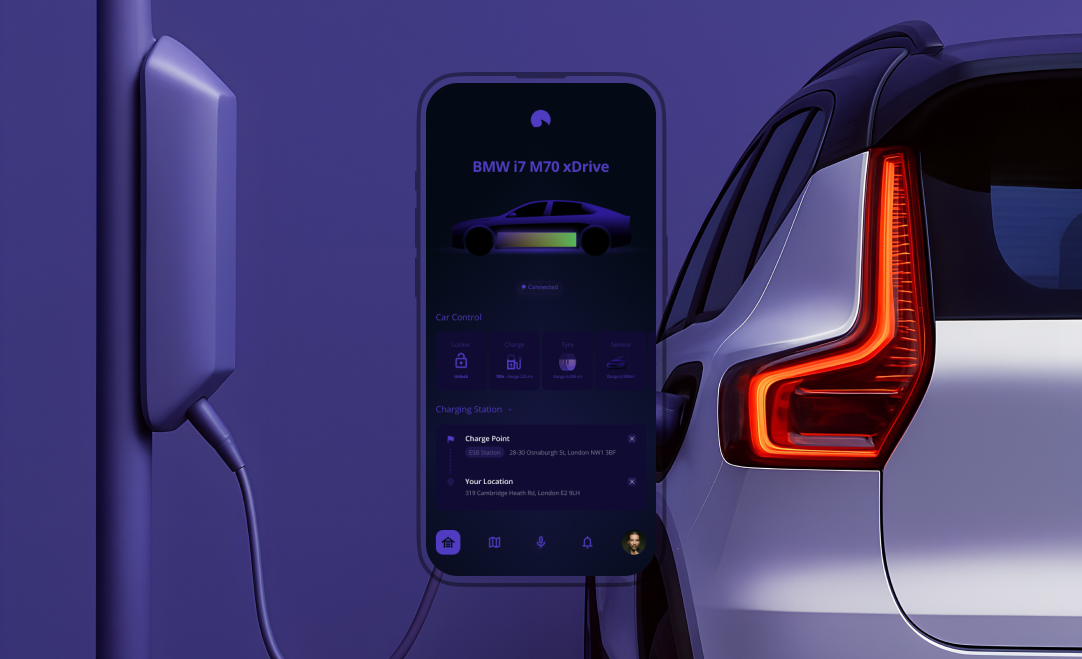
Temel zorluk; sürekli değişen finansal verilerle çalışırken deneyimi anlaşılır ve tepkisel tutmaktı. Dashboard’un gerçek zamanlı güncellemeleri desteklemesi, büyüyen veri setleriyle uyumlu çalışması ve hem masaüstü hem de mobil cihazlarda kolayca kullanılabilmesi gerekiyordu. Karmaşık finansal bilgileri sadeleştirmeden anlaşılır kılmak bu sürecin önemli bir parçasıydı.
Yaklaşım
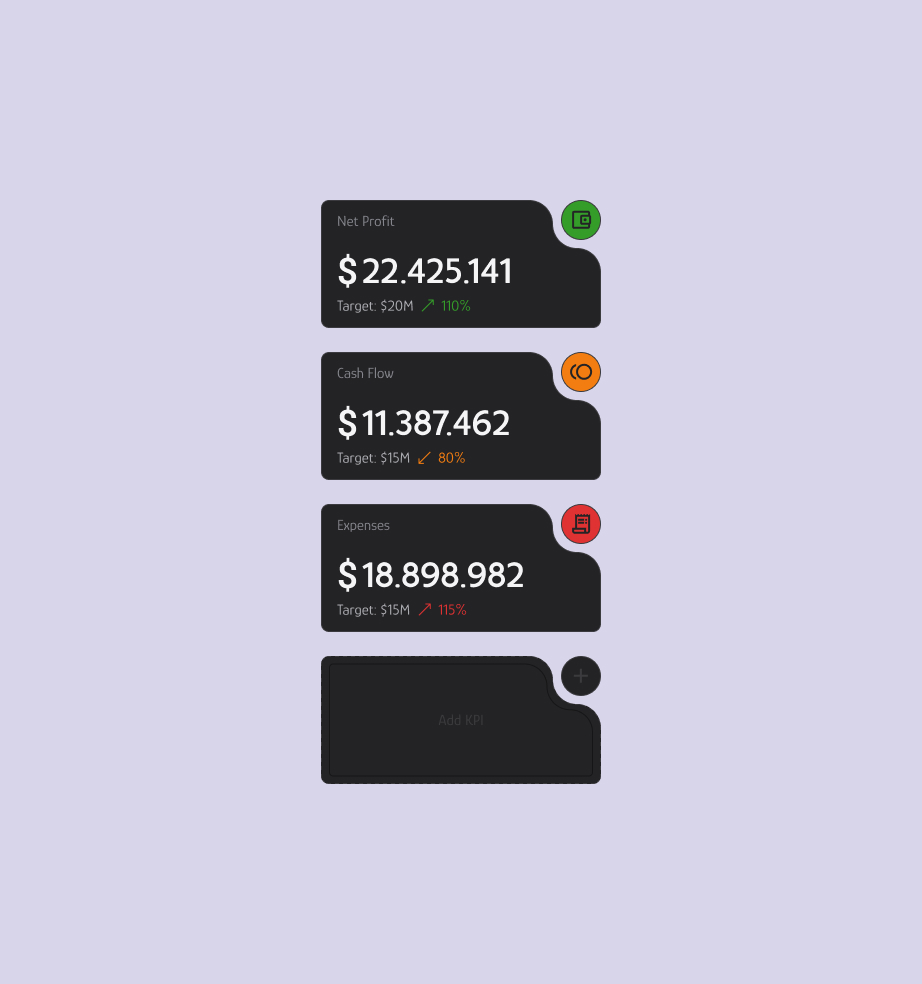
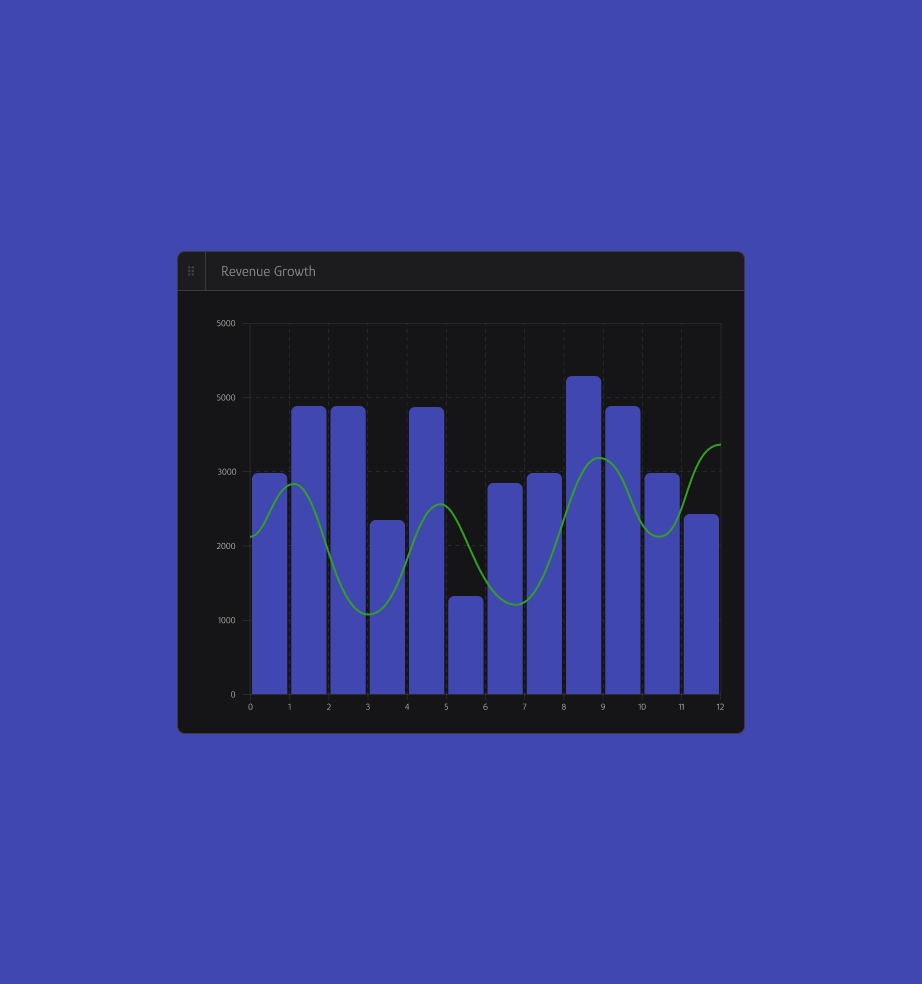
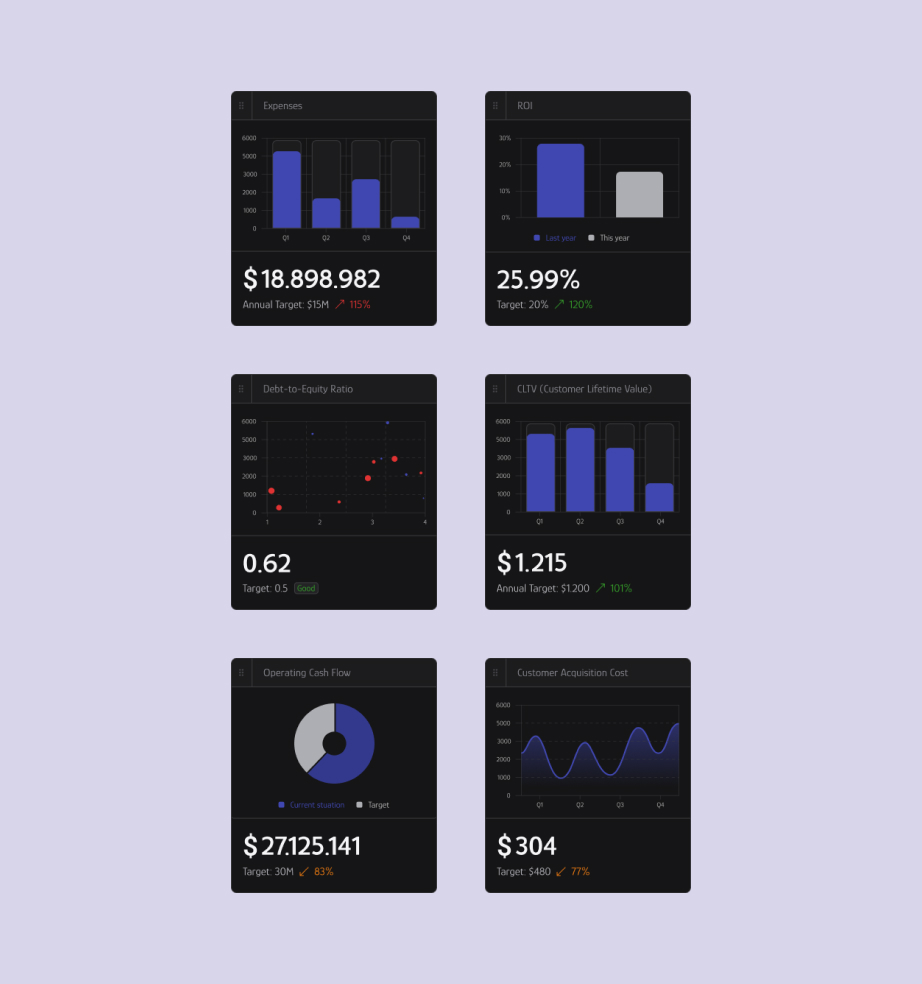
Net bir bilgi hiyerarşisi ve modüler bileşenlerden oluşan esnek bir dashboard yapısı tasarladık. Trendleri, karşılaştırmaları ve performans göstergelerini öne çıkaracak veri görselleştirme yaklaşımları kullandık. Wireframe’ler ve etkileşim akışları erken aşamada test edilerek farklı kullanım senaryolarında açıklık, erişilebilirlik ve verimlilik sağlandı.
Sonuç
Quantify, finansal performansın gerçek zamanlı veriler ve sade görseller üzerinden takip edilebildiği kapsamlı bir fintech dashboard deneyimi sunar. Etkileşimli grafikler ve yapılandırılmış ekran düzeni, karmaşık veri setlerinin hızlıca anlaşılmasını sağlarken; anlık güncellemeler zamanında ve veriye dayalı kararları mümkün kılar. Ortaya çıkan deneyim, analitik derinliği kullanım kolaylığıyla dengeler ve finansal performansı erişilebilir hâle getirir.