
Website
Websites that position, not just present.
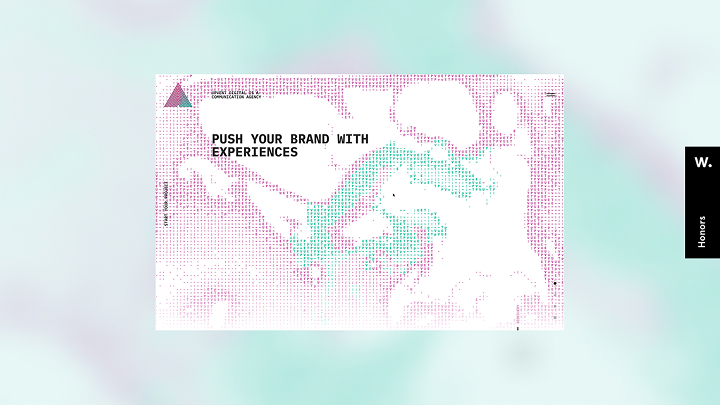
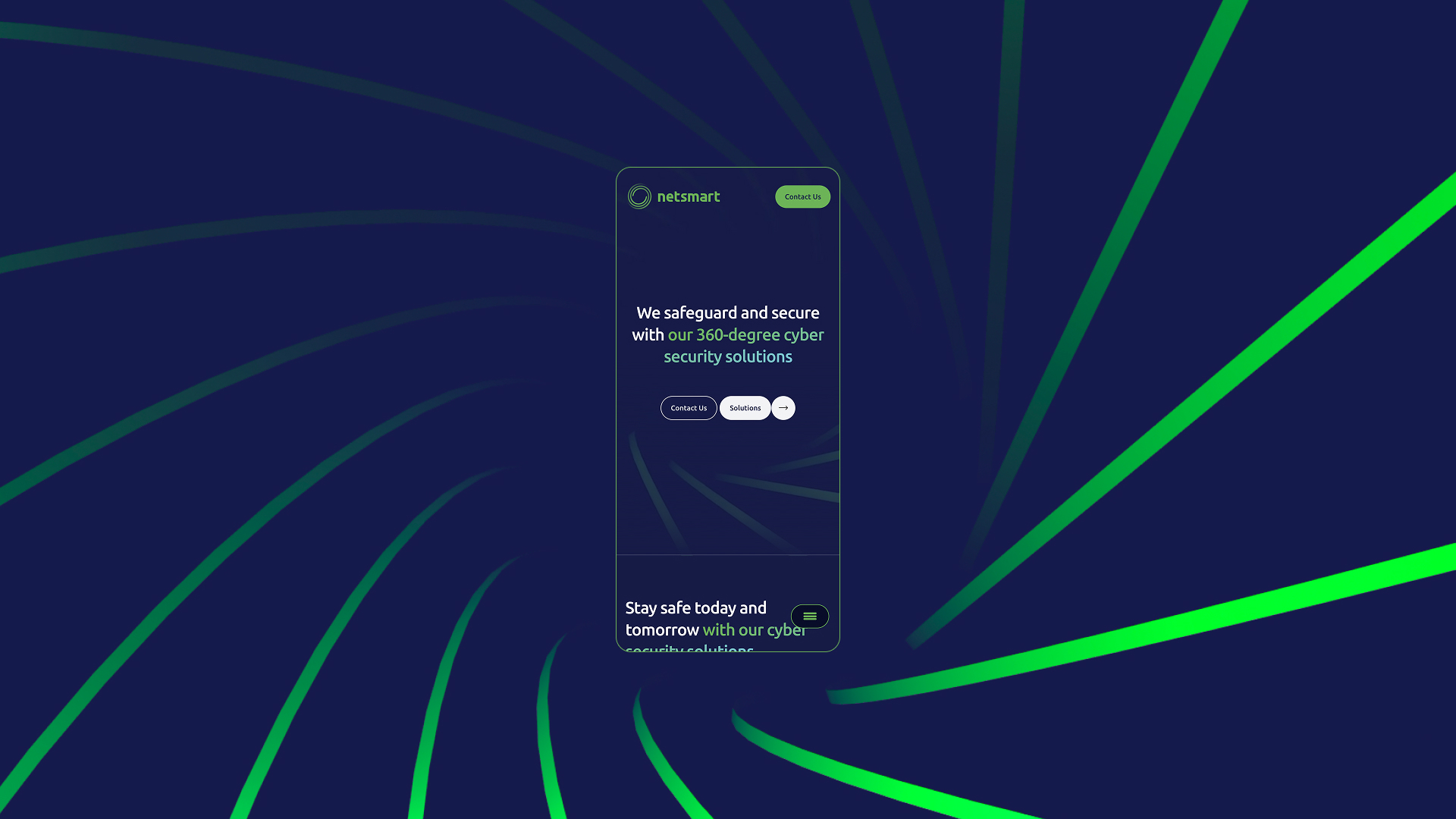
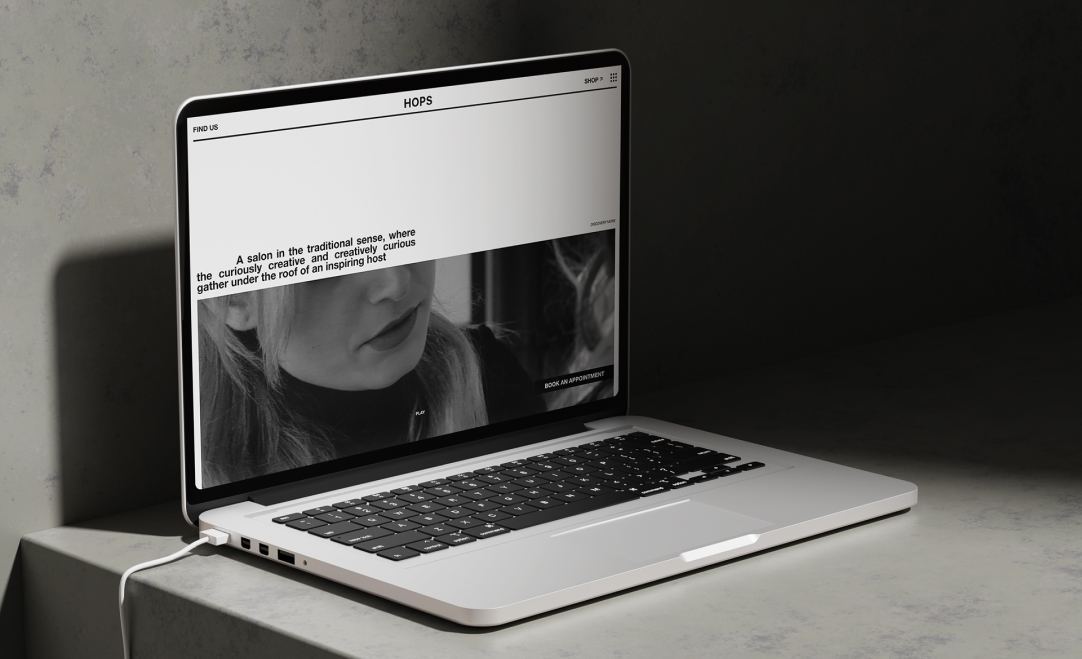

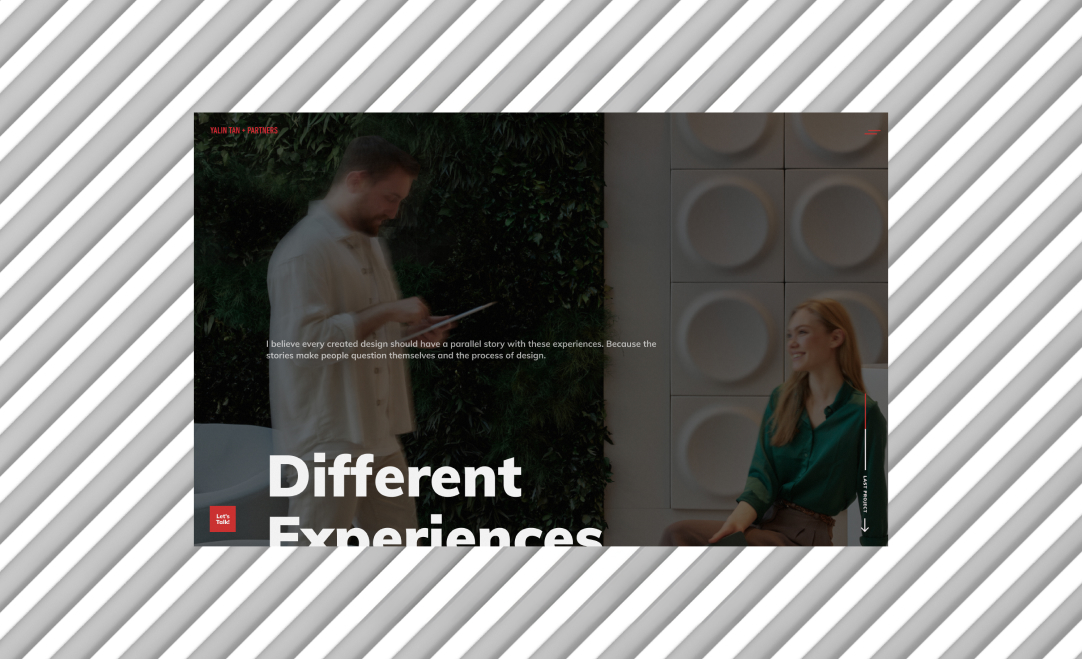
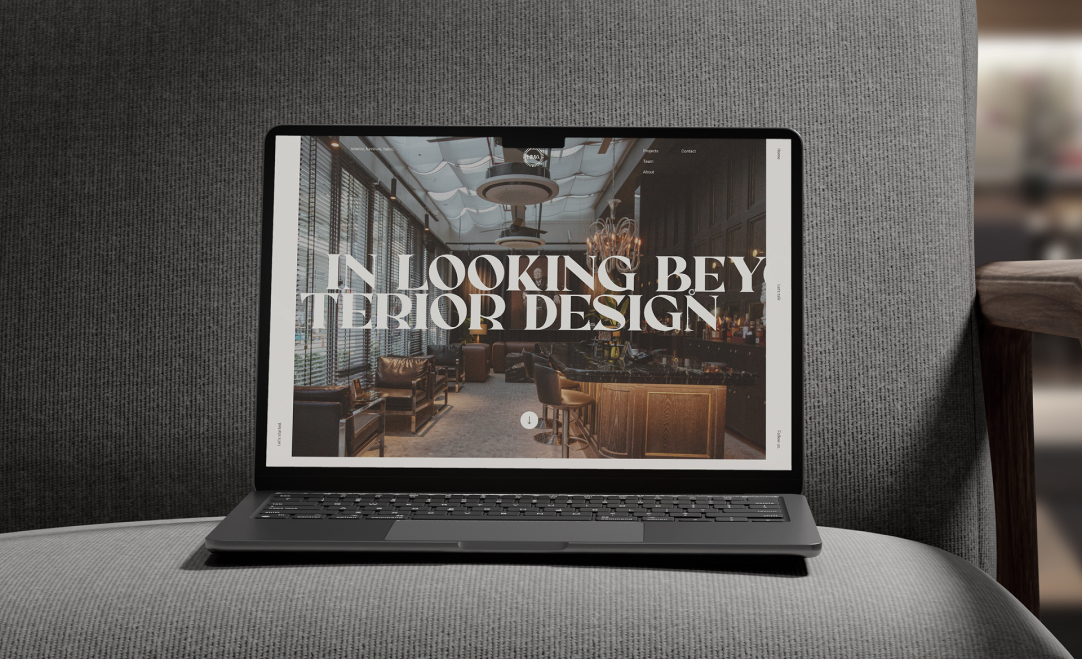
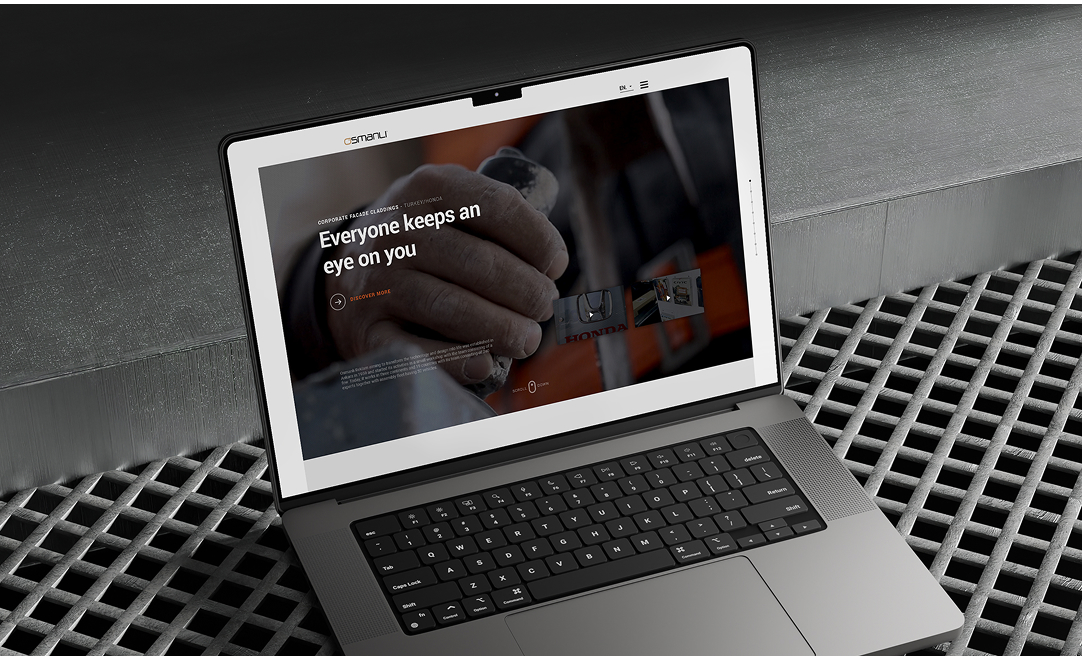
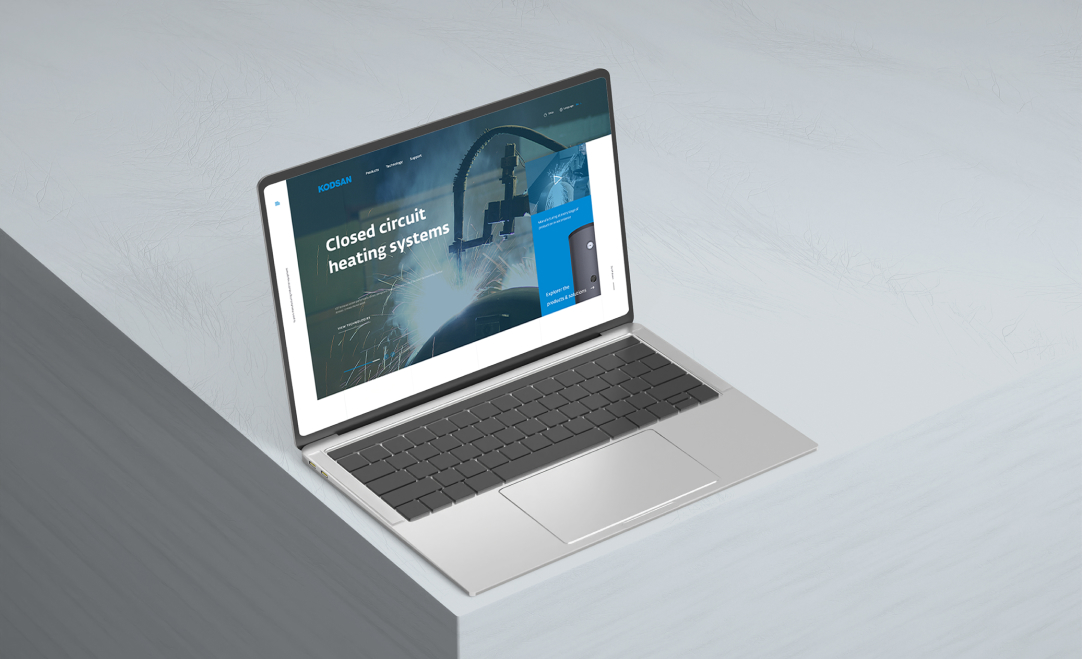

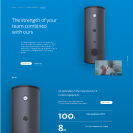
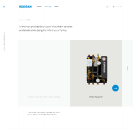




A structured website process focused on clarity, content logic, and long-term maintainability.
FAQ for Website
How much time is spent on research in a corporate website project?
In corporate projects, the research phase typically takes one to two weeks. During this time, we analyse your target audience, competitor websites, and the performance of your existing site. Website projects that skip research almost always require a redesign shortly after launch.
Where do you start with website design?
We begin by clarifying your goals: what do you want visitors to do? Based on research findings, we establish the site architecture and content hierarchy, then progress through wireframing, visual design, and prototyping.
How do research findings influence website design?
We use data to determine where users spend time on the site, where they drop off, and what content they are looking for. These findings directly shape navigation structure, call-to-action placement, and page prioritisation.
Is SEO part of your website design process?
Yes. Technical SEO requirements — page speed, mobile compatibility, URL structure, and heading hierarchy — are considered from the design phase onwards. We also support you in shaping your content strategy with an SEO-first mindset.
Can you design a website for global markets?
Yes, this is one of our strongest areas. User expectations, content tone, and conversion dynamics vary significantly across different markets. We design multilingual websites optimised separately for each culture.
Do you manage both website design and development together?
Yes. Alongside design, we also provide frontend and backend development. Depending on your project requirements, we work across a range of web platforms including WordPress, Webflow, and Next.js. We manage the entire process from design through to development under one roof, freeing you from the burden of coordinating multiple suppliers.
What do we receive as deliverables?
A competitive analysis report, user research summary, site architecture, wireframes, high-fidelity UI design, an interactive prototype, developer documentation, and the completed website.