
UX/UI Research and Design
Evidence-based design for complex systems.
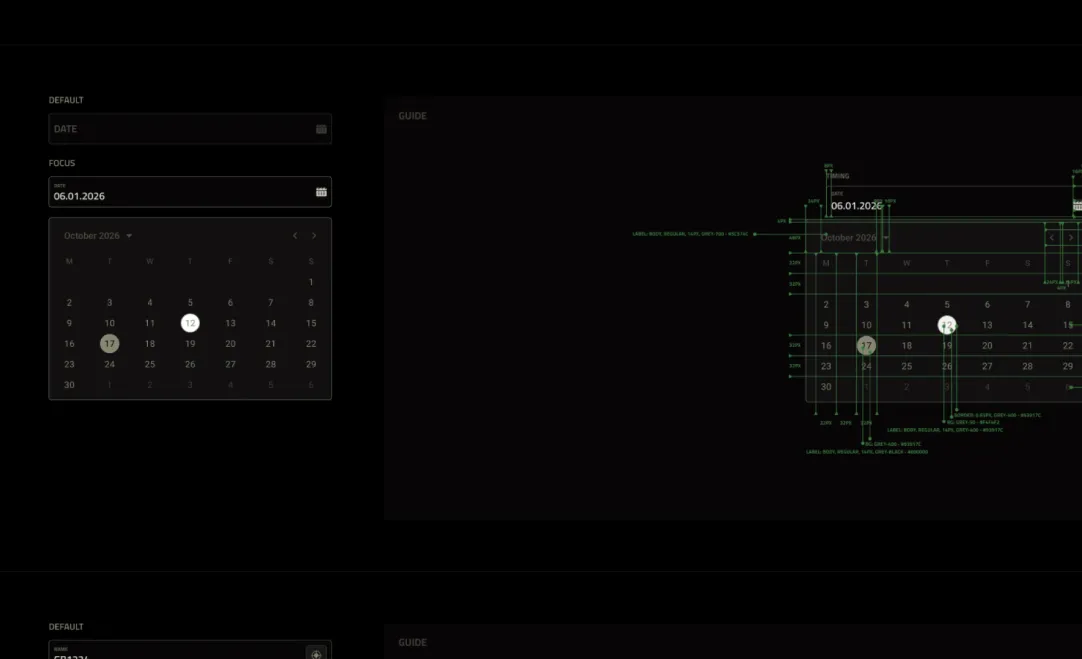

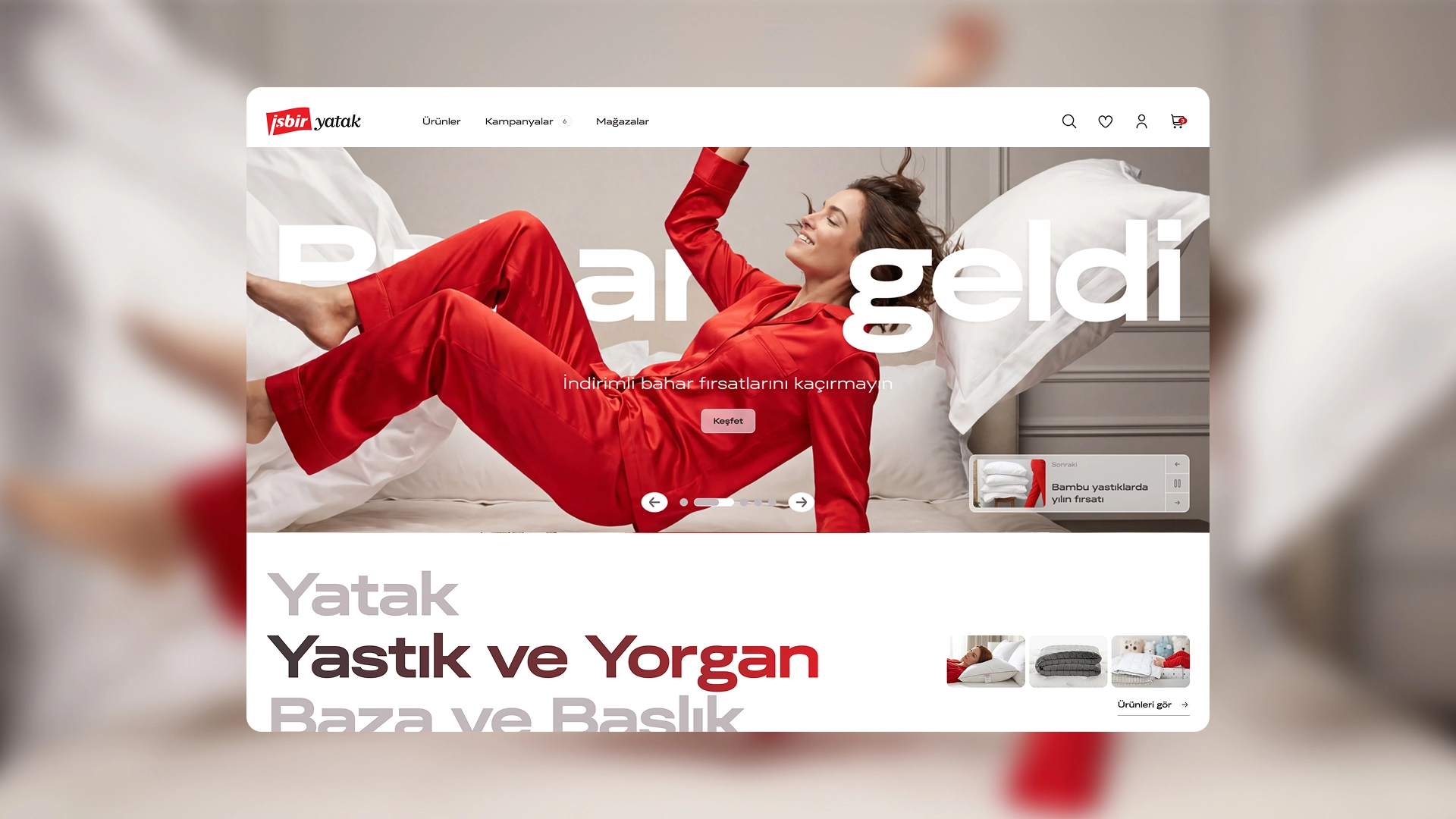





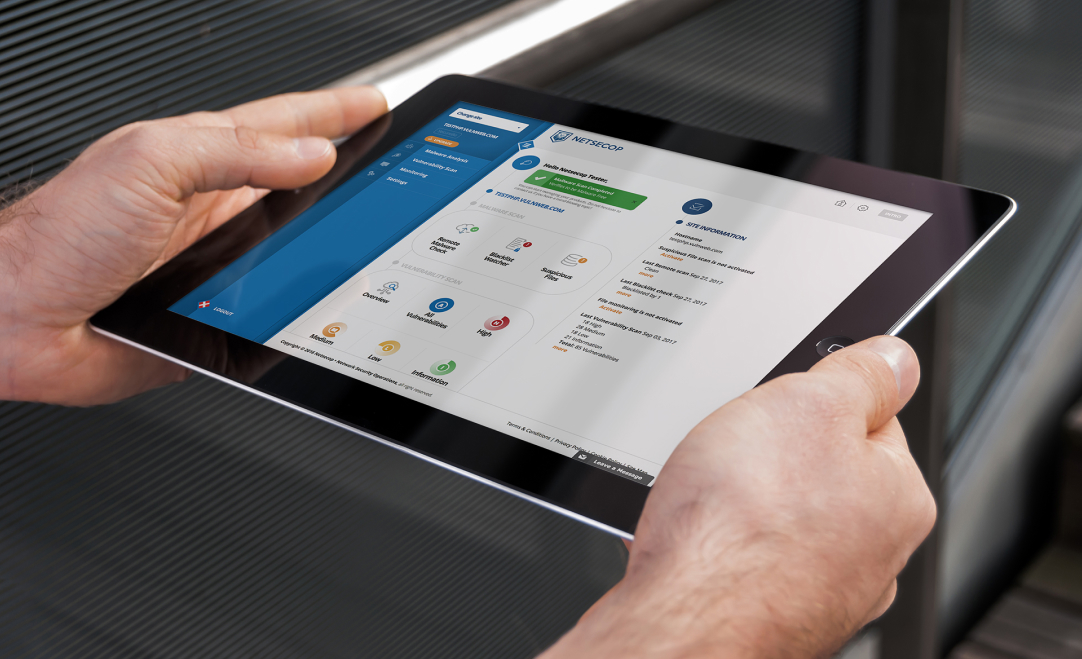

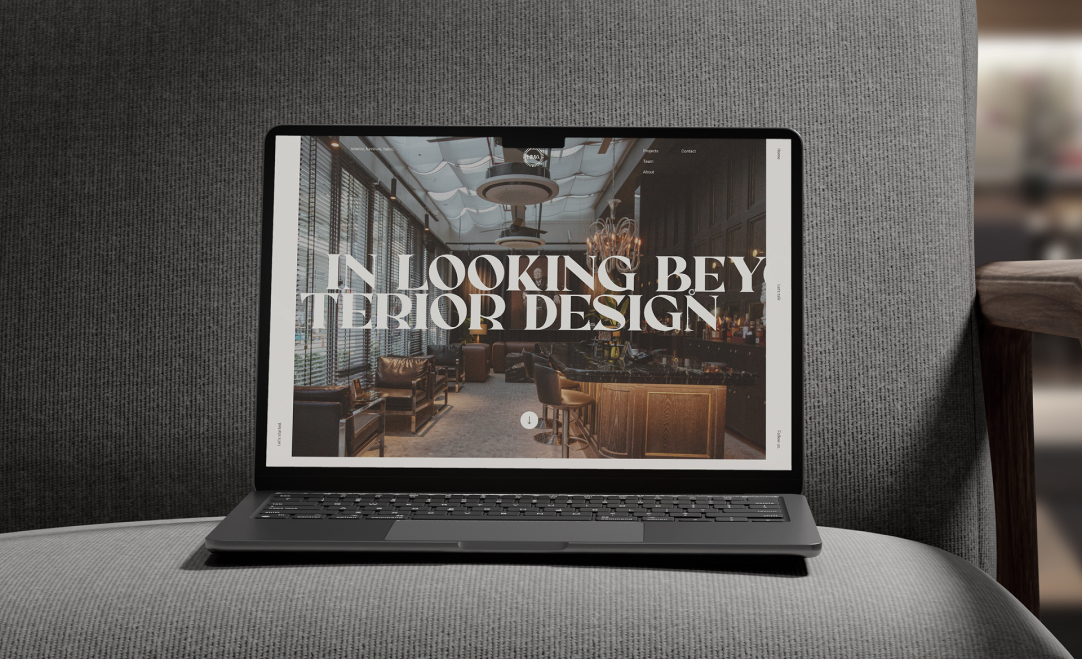
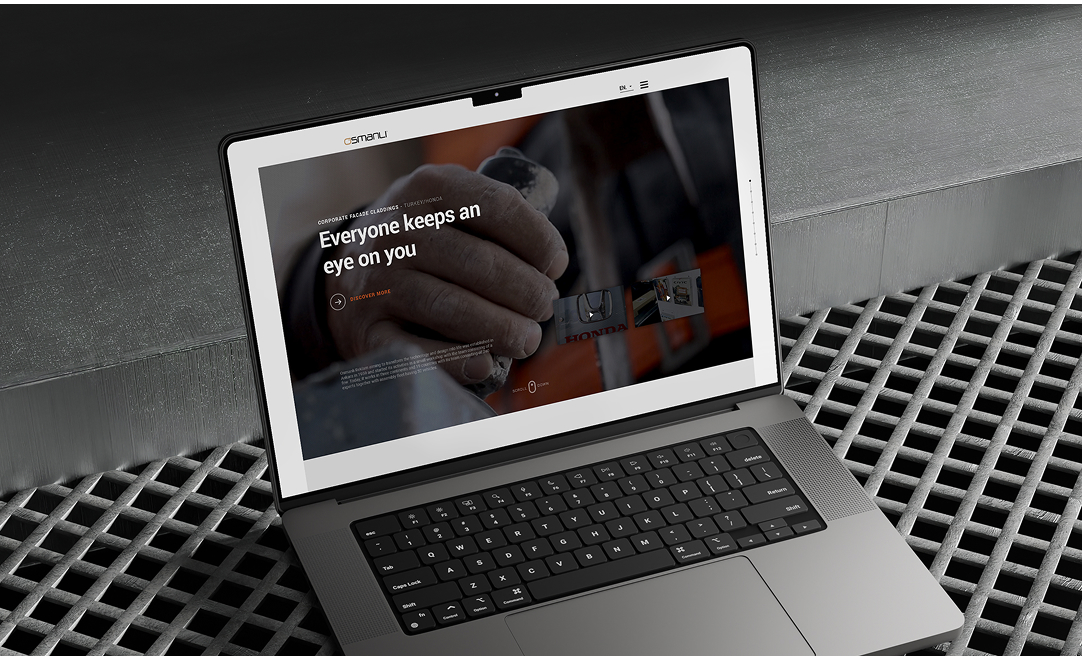
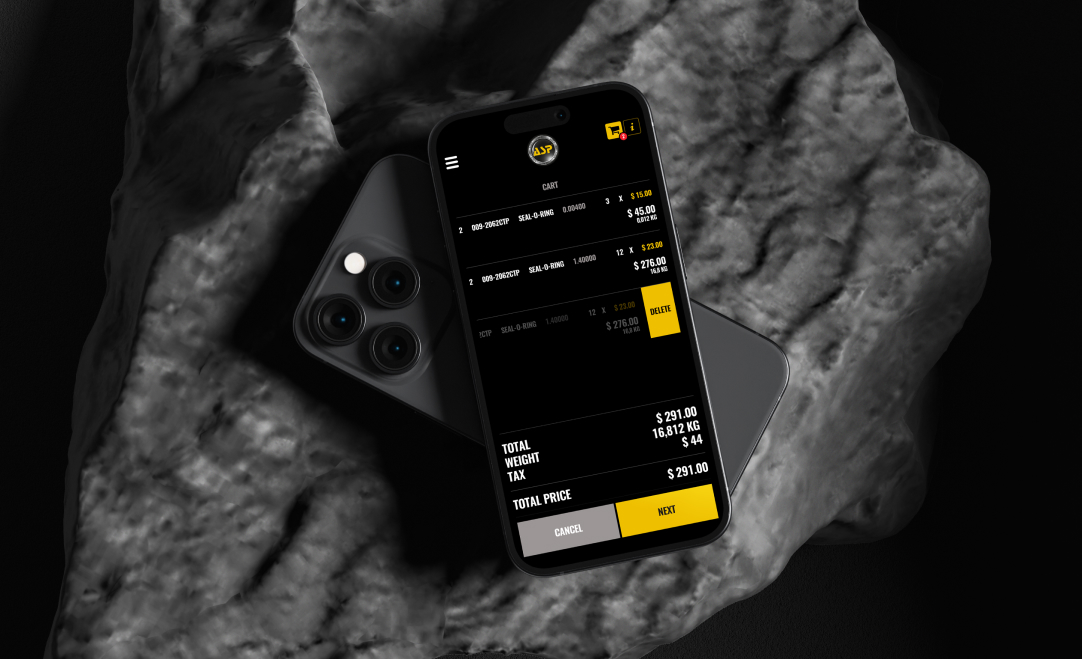
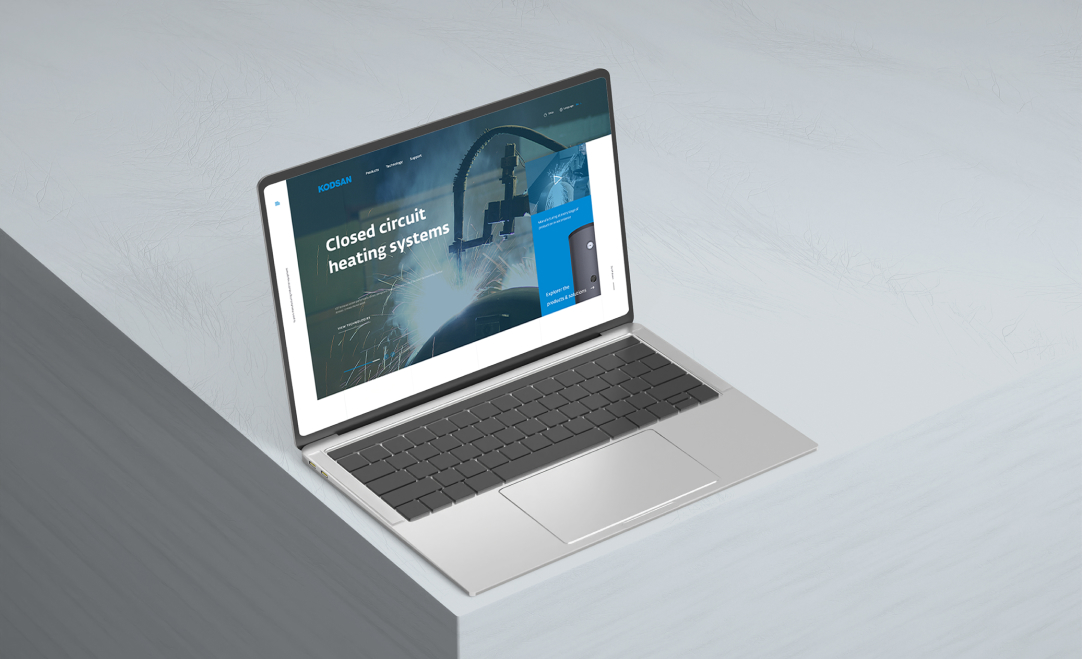
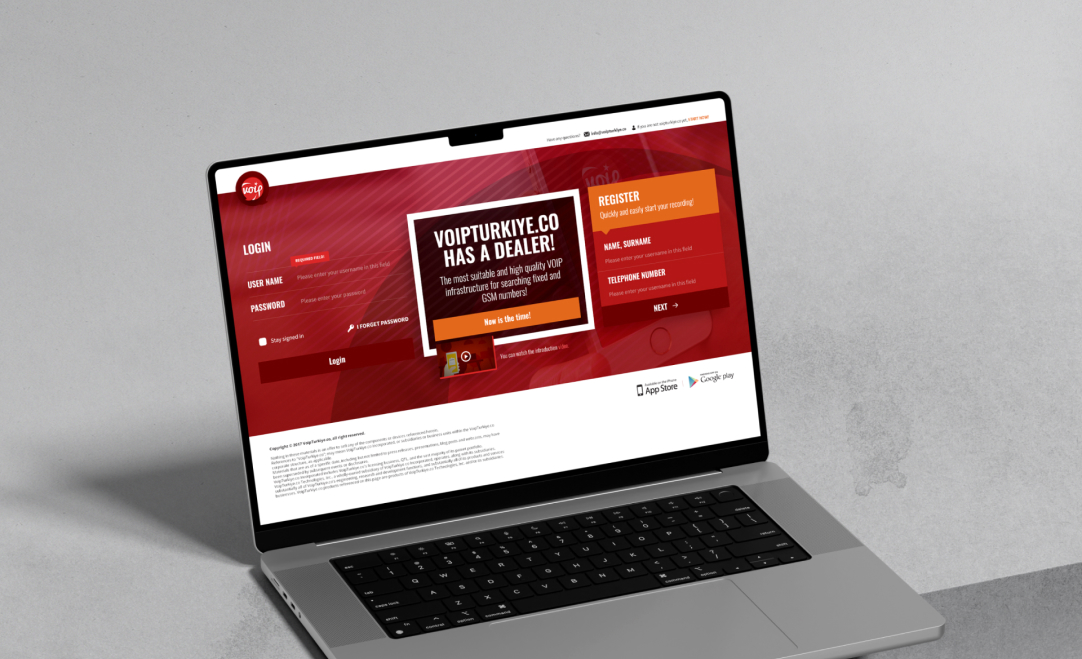
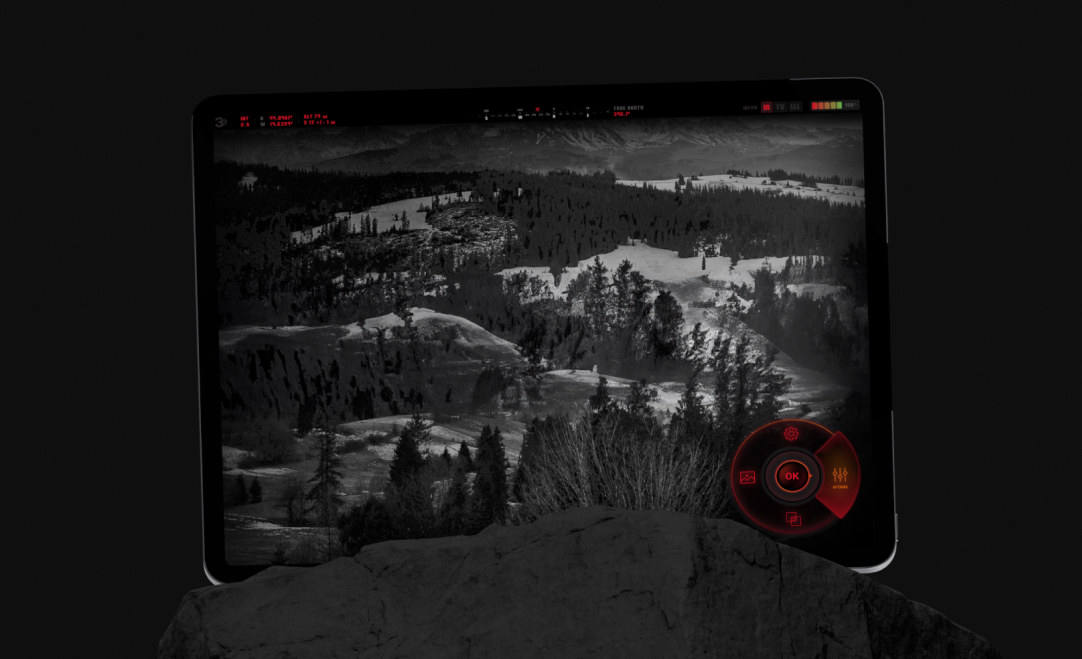








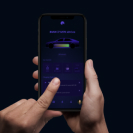


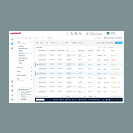
A focused UX process designed to reduce uncertainty, align teams, and guide better product decisions.
FAQ for UX/UI Design and Development
What does UX research actually do?
It reveals how your users interact with your product, where they get stuck, and what they truly need. Data gathered through interviews, surveys, and observation ensures every design decision is built on solid ground.
Can we be involved in the research process?
Absolutely. You can observe user interviews and help shape survey questions. Keeping the process transparent improves the quality of findings and strengthens collaboration.
How do research findings translate into design?
Once research is complete, findings directly inform design decisions. Which screens to prioritise, which flows to simplify, which content to surface — all determined by data, not intuition.
Can design be done without research?
Yes, it can. Particularly in projects where budget and time constraints are decisive, we can keep the research phase more compact or work with data you already have. If you have existing user feedback, analytics, or sector expertise, we incorporate these into the design process to build a solid foundation. What matters is asking the right questions — and we determine those together.
How does your design process work?
We start with wireframes, refine through user feedback, and complete with high-fidelity UI design. We take your approval at each stage and stay with you all the way through to developer handoff.
What is the advantage of having research and design done by the same agency?
When research and design are handled by separate teams, insights get lost. When the same team runs both phases, user insights transfer directly and completely into design — resulting in a more coherent and effective final product.
How do you manage this process in technical sectors such as defence and industrial?
Conducting user research in these sectors requires specialist expertise due to security protocols and confidentiality requirements. At the same time, design must handle complex data flows, critical alert systems, and usability under high-pressure conditions — both of which we manage with proven experience.